
The 2007 ICC Cricket World Cup held in the Caribbean marked a significant chapter in the tournament’s history. It was the first time the event was hosted by multiple nations, with matches taking place across the West Indies. The tournament, however, faced challenges, including logistical issues and concerns about the format, but it also showcased the vibrancy and passion for cricket in the region.
1. Hosted by Multiple Nations:
- The decision to host the 2007 World Cup across various Caribbean nations was aimed at spreading the cricketing fervor and involving diverse communities. The matches were played in iconic venues, including Kensington Oval in Barbados, Sabina Park in Jamaica, and Queen’s Park Oval in Trinidad, creating a carnival atmosphere that reflected the rich cultural diversity of the Caribbean.
2. Vibrant Cricket Culture:
- The Caribbean has a deep-rooted cricket culture, and the 2007 World Cup celebrated this heritage with a series of cultural events and festivities. The steel drum beats, Calypso music, and energetic dance performances added a unique Caribbean flair to the tournament, making it not just a cricketing spectacle but a cultural celebration.
3. Iconic Moments:
- The tournament witnessed some unforgettable moments, including Ireland’s historic victory over Pakistan in the group stage, marking one of the biggest upsets in World Cup history. Australia, led by Ricky Ponting, continued their dominance in the era, clinching their third consecutive World Cup title by defeating Sri Lanka in a rain-affected final at Kensington Oval.
4. Challenges and Controversies:
- Despite the excitement, the 2007 World Cup faced challenges, notably with the format. The Super Eight stage proved to be complicated, and rain interruptions in the final led to a controversial finish. Australia was declared the winner, but the decision was met with mixed reactions. The tournament prompted a reevaluation of the format and scheduling for future World Cups.
Page 2: The 2010 ICC World Twenty20 – A Caribbean Party
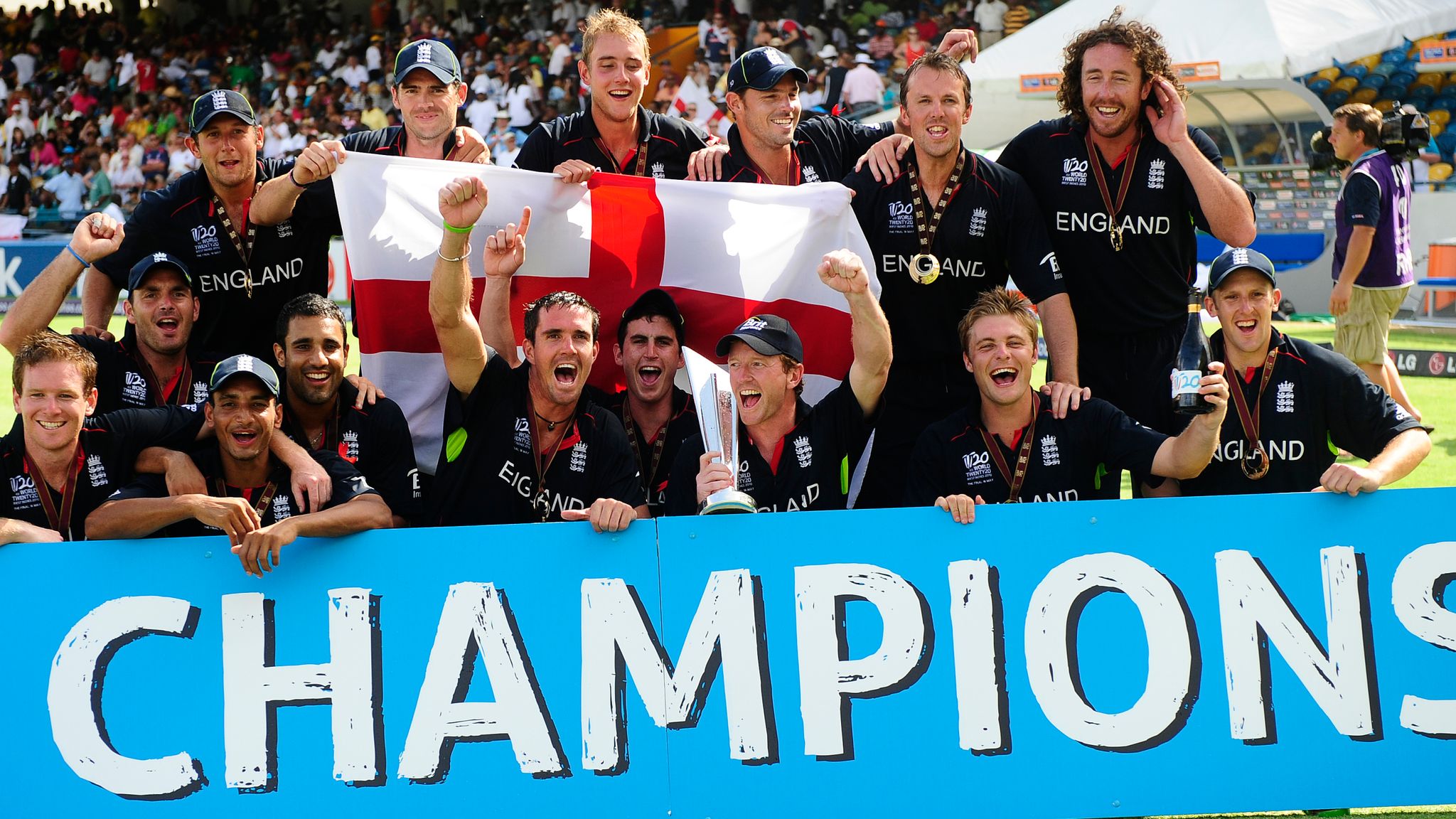
The West Indies once again took center stage as hosts of the 2010 ICC World Twenty20, signaling a return of major international cricket to the Caribbean. This edition of the tournament brought together the world’s best T20 teams in a thrilling and fast-paced competition.
1. Caribbean Party Atmosphere:
- The T20 format inherently lends itself to excitement and entertainment, and the Caribbean’s hosting of the event amplified this atmosphere. The matches were not just cricket contests but vibrant celebrations, with fans enjoying the party-like ambiance, complete with music, dancing, and the infectious energy characteristic of the Caribbean.
2. West Indies Triumph:
- The 2010 World T20 witnessed the West Indies securing their first ICC title since the 2004 Champions Trophy. Led by captain Darren Sammy, the host nation displayed flair and power-hitting prowess, thrilling local fans with their journey to the final. In a memorable final at Kensington Oval, the West Indies defeated Sri Lanka to clinch the trophy, sparking jubilant celebrations across the Caribbean.
3. Chris Gayle’s Explosive Form:
- Chris Gayle, the West Indies’ explosive opening batsman, left an indelible mark on the tournament. His aggressive batting style and ability to clear boundaries at will made him a standout player. Gayle’s century against South Africa in the group stage became one of the highlights of the tournament, showcasing the impact a single player could have in the T20 format.
4. Spectacular Performances and Global Appeal:
- The 2010 World T20 featured exceptional performances, and players like Kevin Pietersen, Shahid Afridi, and Graeme Swann left their mark on the tournament. The event’s success contributed to the global appeal of T20 cricket, emphasizing its potential to engage fans and provide thrilling cricketing action in a condensed and entertaining format.